 Greenhouses
Is Greenhouse Farming Right for You?

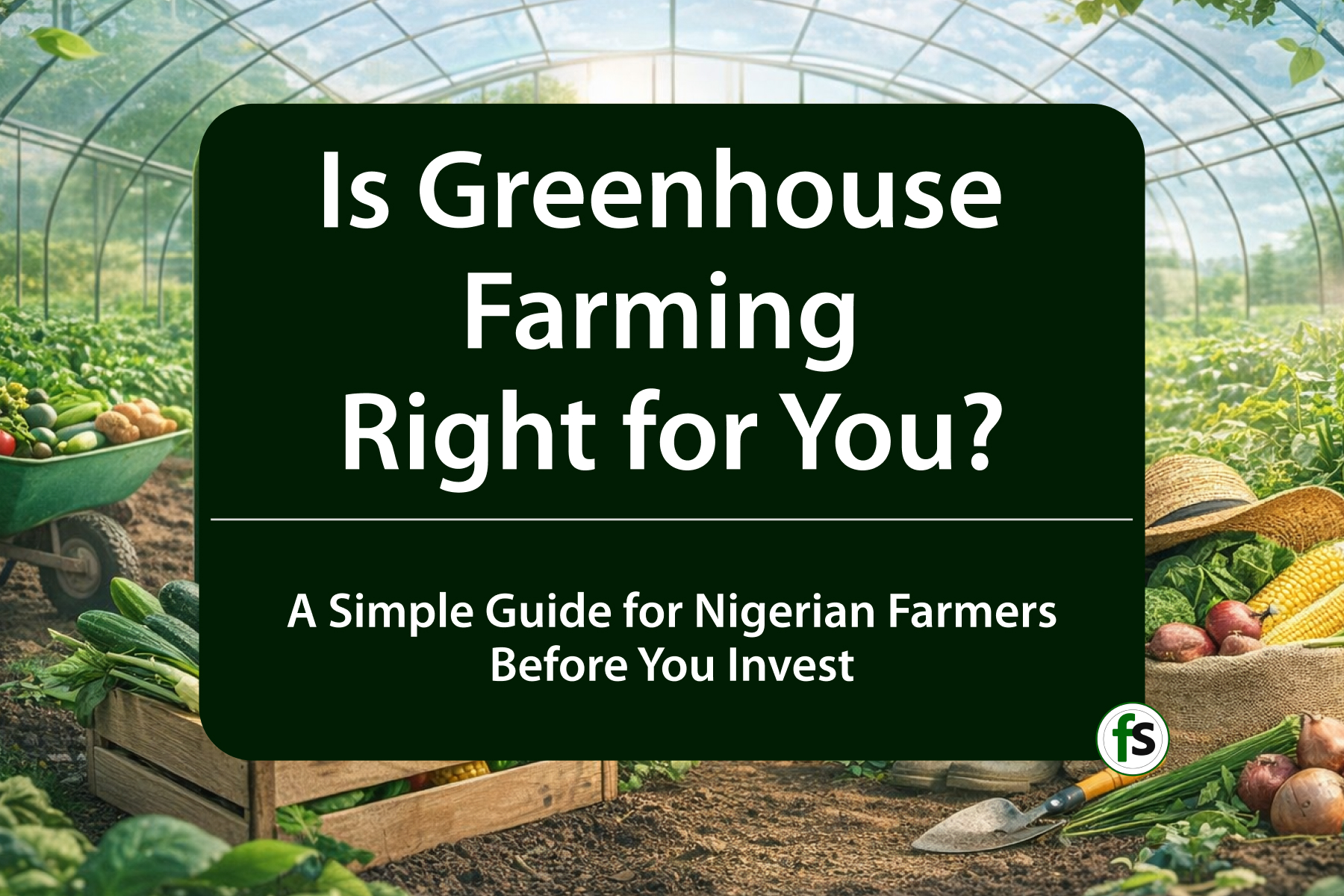
A Simple Guide for Nigerian Farmers Before You Invest
Who This Guide Is For
This short guide is for Nigerian farmers, agribusiness owners, and investors considering greenhouse farming, who want clarity before spending money. It is not a technical manual. It is a decision guide.
By the time you finish reading, you should clearly know:
- If greenhouse farming makes sense for you
- What kind of greenhouse fits your situation
- What mistakes to avoid before investing
The Truth About Greenhouse Farming in Nigeria
Greenhouse farming is often talked about as the future of agriculture in Nigeria. You see pictures of healthy crops, neat structures, and promises of high yields. Some of these claims are true. Many are exaggerated.
Let’s start with what greenhouse farming actually does.
What Greenhouse Farming Solves
- Unpredictable weather
Rainfall patterns are no longer reliable. A greenhouse gives you control over moisture, temperature, and timing. - Excess heat and pests
In many parts of Nigeria, open-field crops suffer from heat stress and pest pressure. A properly designed greenhouse reduces both. - Seasonal farming limits
With greenhouse farming, you are not tied to planting only during certain months. You can grow consistently and plan your market supply. - Low and unstable yields
Controlled environments lead to more uniform growth and better output per square metre.
What Greenhouse Farming Does NOT Solve
It is important to be honest here.
- A greenhouse will not fix poor farm management
- It will not replace daily monitoring and discipline
- It will not automatically guarantee profit
A greenhouse is a tool. Like any tool, it works well only when used correctly.
Who Greenhouse Farming Is Best For
Greenhouse farming makes the most sense if:
- You are growing vegetables like tomatoes, peppers, cucumber, or leafy greens
- You want predictable production and quality
- You have access to water all year round
- You are farming close to a market or aggregation point
Who Should Pause and Reconsider
You should slow down if:
- You do not have reliable water access
- You are not available to check crops daily
- You are expecting quick money without learning
This does not mean greenhouse farming is impossible for you. It only means you need better planning before investing.
Crops That Perform Well in Nigerian Greenhouses
Some crops consistently perform better under greenhouse conditions:
- Tomato
- Sweet pepper
- Cucumber
- Lettuce and other leafy vegetables
These crops respond well to controlled temperature, moisture, and pest management. If greenhouse farming fits your situation, your next big decision is not buying materials. It is choosing the right greenhouse structure for your location and crop.
Choosing the Right Greenhouse Without Wasting Money
Many greenhouse projects fail not because the idea was bad, but because the structure was wrong.
Why Many Greenhouse Projects Fail
Common reasons include:
- Using a structure not suited for local heat conditions
- Poor ventilation design
- Cheap materials that degrade quickly
- No technical support after installation
When these problems show up, yields drop and farmers lose confidence.
We Handpicked This For You
– Cost of Greenhouse Farming in Nigeria
– How to Set Up a Complete Irrigation System
– Top Irrigation Kits for Small Farms in Nigeria
Questions You Must Answer Before Building
Before spending any money, you should be able to answer these questions clearly:
- What crop am I growing?
- Where is my farm located?
- How hot does it get in this area?
- How much land do I have?
- What is my realistic budget?
These answers determine the type of greenhouse that will work for you.
Understanding Greenhouse Types (Simple Explanation)
You do not need to memorise technical names. Just understand the levels.
- Low-cost greenhouses: Suitable for small-scale trials but limited durability
- Medium-tech greenhouses: Better ventilation, stronger materials, suitable for commercial farmers
- Commercial-scale greenhouses: Designed for large production, automation, and long-term use
The goal is not to buy the biggest greenhouse. It is to buy the right one.
Why DIY Greenhouses Often Cost More
Some farmers try to build greenhouses themselves to save money. In many cases, this leads to:
- Frequent repairs
- Poor airflow and overheating
- Crop loss
- No expert support when problems arise
What looks cheaper at the beginning often becomes more expensive over time.
What to Look for in a Greenhouse Partner
If you decide to work with a greenhouse provider, look for:
- Experience across different Nigerian climates
- Ability to customise designs
- Quality materials
- Support beyond installation
This matters more than price alone.
Your Next Step
If you have read this far, you are likely serious about greenhouse farming.
The next step is not buying materials or copying another farmer’s design. The next step is getting guidance that fits your crop, location, and budget.
Farmsquare helps farmers design and build greenhouses anywhere in Nigeria. We focus on practical solutions that work in real Nigerian conditions.
If you want to know what type of greenhouse will work best for your farm, speak with the Farmsquare team and get clear direction before you invest.