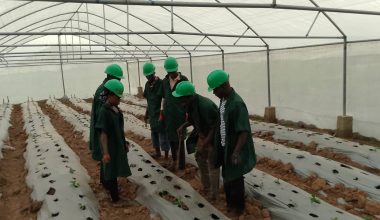
 Greenhouses

Nursery Bags for Seedlings
Nursery bags for seedlings have become an essential tool for gardeners, farmers, and plant nurseries looking for a practical and cost-effective way to grow healthy plants. Whether used for flowers, vegetables, saplings, or fruit trees, nursery bags offer flexibility, durability, and improved plant development compared to traditional pots or ground planting.
What Are Nursery Bags?
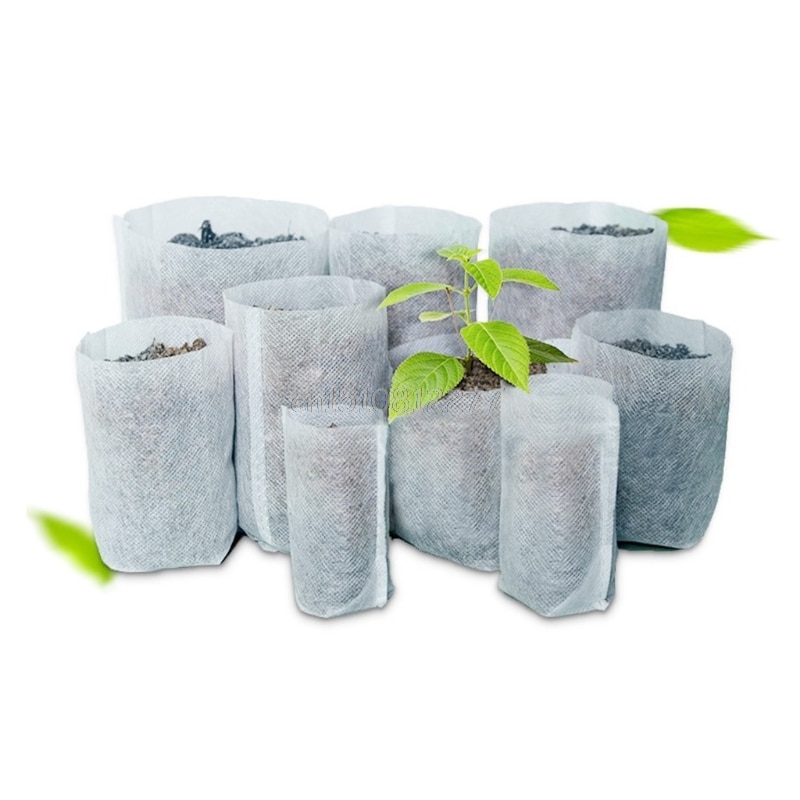
Nursery bags, also known as grow bags or plant grow bags, are specially designed containers made from materials such as polyethylene, non-woven fabric, or biodegradable materials. They are used to grow seedlings, saplings, and mature plants in controlled environments. Nursery bags are available in various sizes, thicknesses, and colors to suit different plant types and growth stages.
Benefits of Using Nursery Bags
One of the main advantages of nursery bags is better root development. Unlike rigid pots, nursery bags allow air pruning of roots, which prevents root circling and promotes a healthier root system. This results in stronger plants with improved nutrient absorption.
Another key benefit is excellent drainage. Nursery bags are designed with drainage holes, preventing waterlogging and reducing the risk of root rot. Proper drainage ensures optimal soil moisture, which is critical for plant growth.
Nursery bags are also lightweight and portable, making them ideal for urban gardening, balconies, rooftops, and greenhouses. They are easy to move, rearrange, and store when not in use. Additionally, they are more affordable than ceramic or plastic pots, making them a cost-effective solution for large-scale nurseries and home gardeners alike.
Types of Nursery Bags
There are several types of nursery bags available on the market:
-
Plastic Nursery Bags: Commonly used in commercial nurseries, these bags are durable and affordable. They are suitable for seedlings and saplings.
-
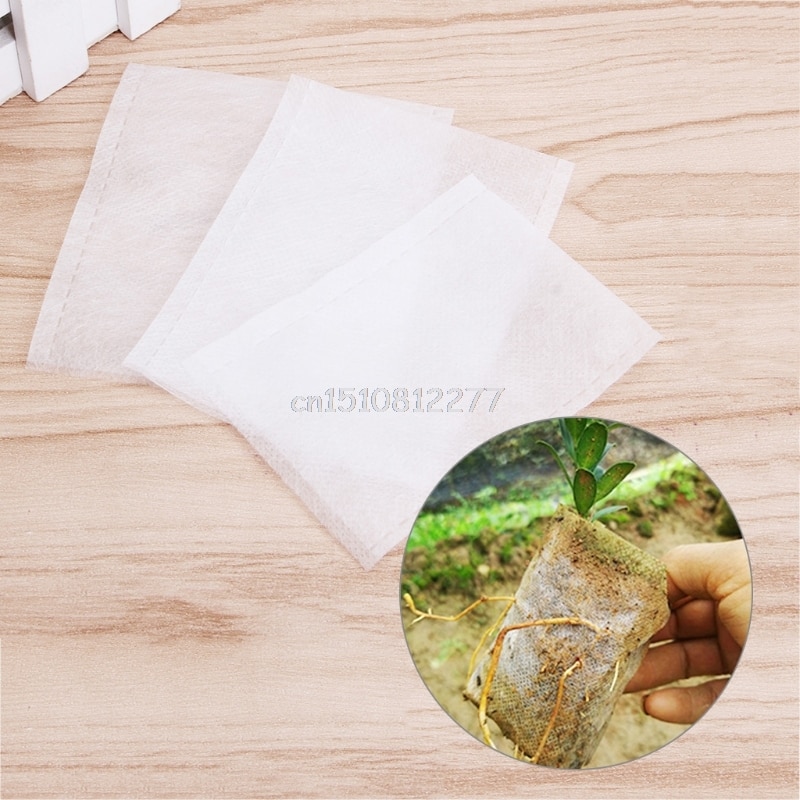
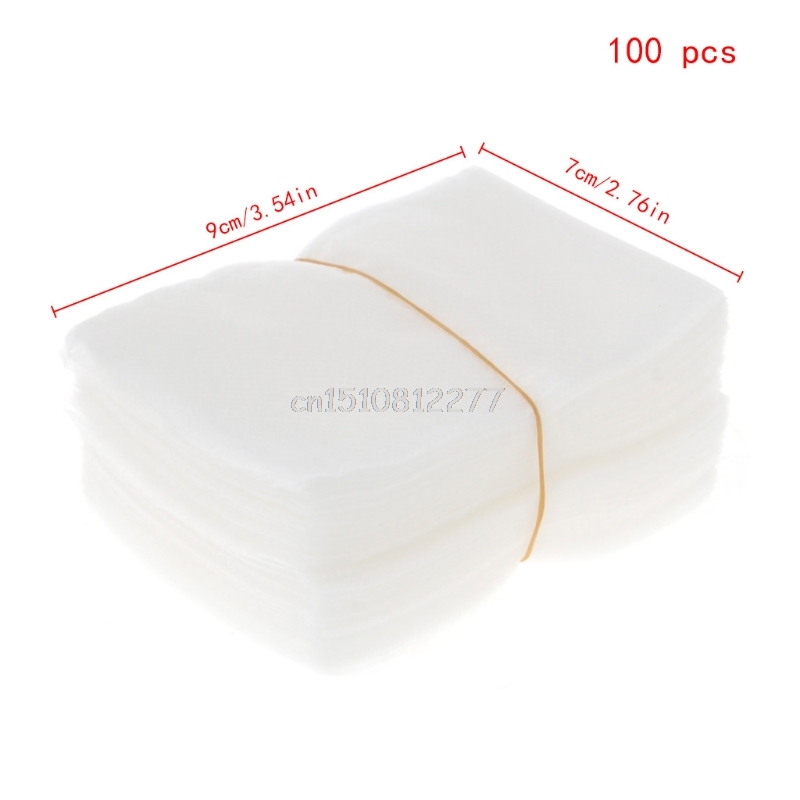
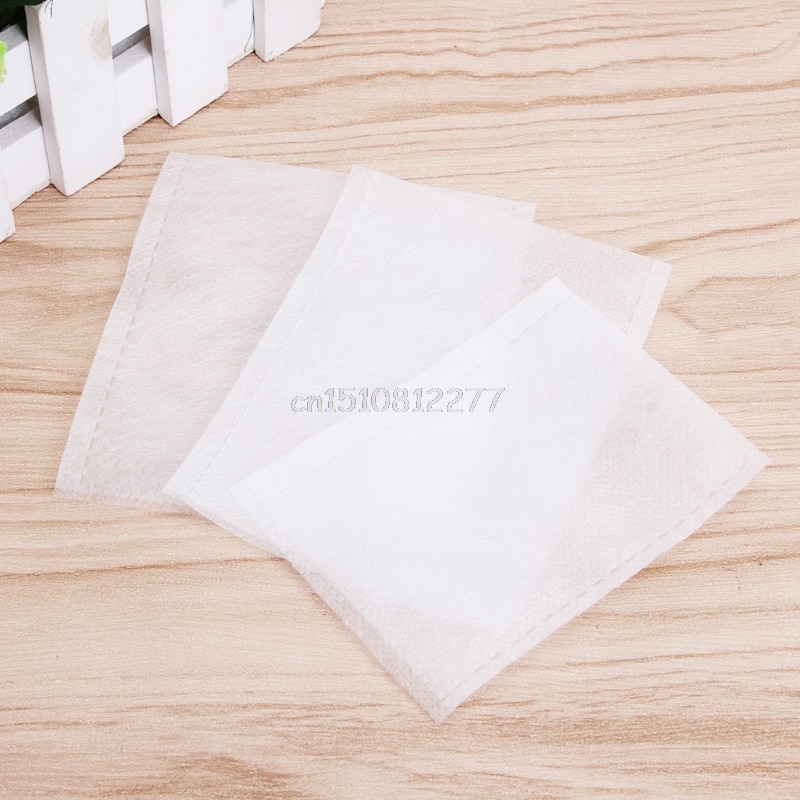
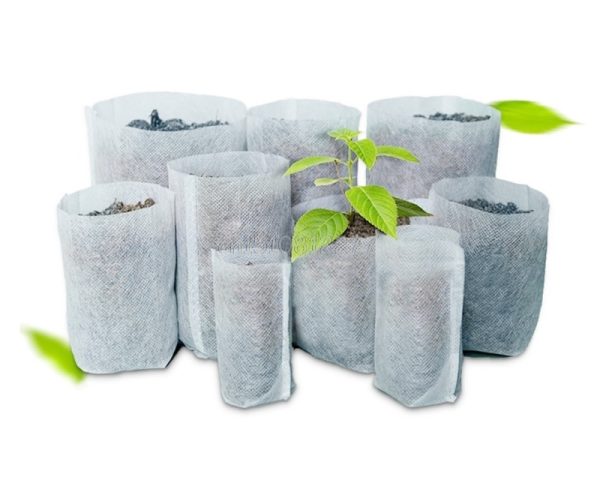
Fabric Grow Bags: Made from breathable non-woven fabric, these bags enhance aeration and temperature regulation, ideal for vegetables and flowering plants.
-
Biodegradable Nursery Bags: Eco-friendly options that decompose naturally in the soil, reducing environmental impact.
Choosing the right type of nursery bag depends on plant type, growing duration, and environmental conditions.
How to Choose the Right Nursery Bag
When selecting nursery bags, consider the size and thickness. Small bags are suitable for seedlings, while larger, thicker bags are better for shrubs and fruit plants. The quality of material is also important, as it determines durability and reusability.
Drainage holes, UV resistance, and eco-friendliness are additional factors to consider. For long-term use, UV-stabilized nursery bags are recommended, especially for outdoor gardening.
Uses of Nursery Bags
Nursery bags are widely used in horticulture, agriculture, landscaping, and home gardening. They are ideal for growing vegetables like tomatoes, potatoes, and peppers, as well as flowers, herbs, and ornamental plants. Tree saplings grown in nursery bags are easier to transplant with minimal root disturbance.
Conclusion
Nursery bags are a versatile and efficient solution for modern gardening needs. With benefits such as improved root health, better drainage, portability, and affordability, they are an excellent choice for both beginners and professional growers. By selecting the right type and size of nursery bag, gardeners can ensure healthy plant growth and higher success rates in cultivation.
Investing in quality nursery bags can make a noticeable difference in plant health, yield, and overall gardening experience.











Reviews
Clear filtersThere are no reviews yet.